Step-by-Step Guide to a Stress-Free Bathroom Remodel
February 23, 2026
A bathroom remodel can dramatically enhance the functionality, comfort, and value of your home. However, for many homeowners, the idea of renovating this essential space can feel overwhelming. From choosing the right fixtures to coordinating schedules with contractors, the process often seems fraught with potential setbacks. Without a clear plan, what begins as an exciting upgrade can quickly turn into a source of stress, budget overruns, and unnecessary delays.
The key to a successful bathroom remodel lies in thorough preparation, strategic planning, and informed decision-making. Understanding the step-by-step process, anticipating common challenges, and implementing best practices can transform your remodel from a stressful project into a seamless, rewarding experience. In this guide, we will walk you through the critical stages of a bathroom renovation, offering practical tips and expert insights. Whether you are considering a simple update or a full-scale redesign, this roadmap is designed to equip you with the knowledge and confidence to make informed choices, avoid costly mistakes, and ultimately achieve a bathroom that balances style, functionality, and long-term durability.
1. Planning and Budgeting Your Remodel
Set Clear Goals
Before lifting a hammer or picking out tiles, it’s essential to define the scope and objectives of your bathroom remodel. Are you aiming for a modern luxury retreat, increased storage, improved energy efficiency, or simply a more functional layout? Clarifying your goals helps shape every decision from design to materials selection. Homeowners who set precise goals upfront tend to experience fewer changes mid-project, which minimizes delays and additional costs.
Establish a Realistic Budget
A common source of stress in bathroom renovations is budget management. Start by researching the average costs of materials, labor, and permits in your area. Factor in a contingency of at least 10–15% for unexpected issues, such as hidden water damage or outdated plumbing. Prioritize features based on necessity versus desire—plumbing upgrades, durable flooring, and proper ventilation should come first, while decorative finishes can be secondary if budgets tighten.
Research and Planning Tools
Leverage tools like design software, mood boards, or online bathroom planners to visualize your space. Consulting with professionals at this stage can prevent costly mistakes. Experienced remodelers often provide initial walkthroughs and rough sketches, helping homeowners understand spatial constraints, lighting, and storage options before committing to expensive materials.
Real-World Insight: Homeowners who invest time in thorough planning report smoother projects and fewer mid-renovation changes, reducing both stress and budget overruns.
2. Choosing the Right Design and Layout
Optimize Space Utilization
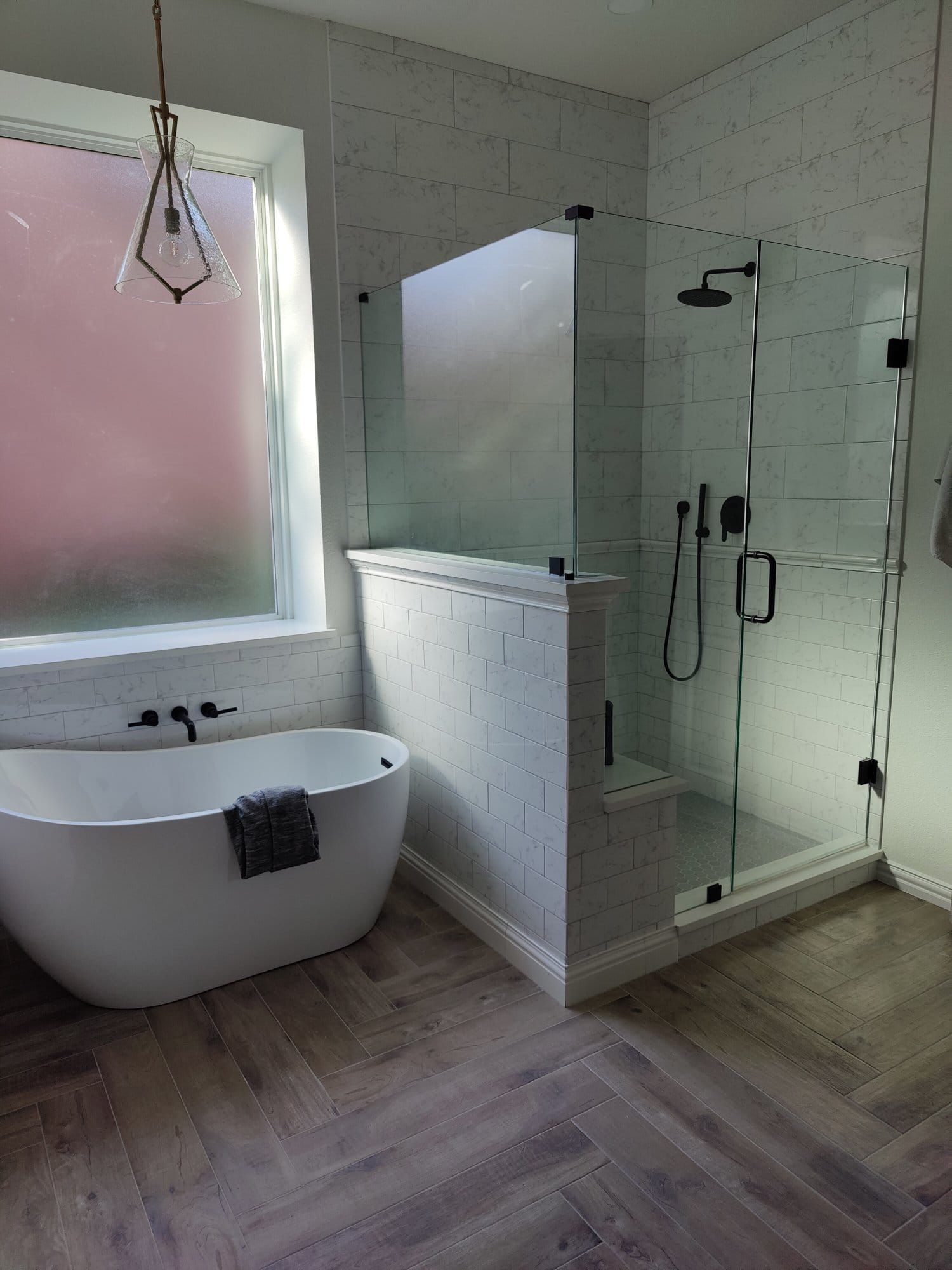
Bathrooms often come with limited square footage, making efficient layout design crucial. Consider the flow of movement, accessibility, and ergonomics. For example, placing the toilet away from the entrance or using floating vanities can open up floor space. Walk-in showers with glass panels instead of bulky shower curtains or bathtubs can make a small bathroom feel more spacious.
Select Fixtures and Finishes
Choose fixtures that balance aesthetics, durability, and functionality. Materials like porcelain, quartz, and natural stone provide longevity, while high-quality faucets and showerheads can enhance performance and water efficiency. Coordinating color schemes, cabinetry styles, and hardware finishes ensures a cohesive look that stands the test of time.
Incorporate Lighting and Ventilation
Proper lighting and ventilation are often overlooked but play a significant role in usability and comfort. Layered lighting—including ambient, task, and accent lights—ensures the space is both practical and inviting. Ventilation prevents moisture buildup, reducing the risk of mold and preserving the integrity of walls, ceilings, and flooring.
Expert Tip:
Working with a designer can help align your aesthetic vision with practical needs, ensuring your new bathroom is both beautiful and functional.
3. Hiring Professional Contractors
Communication and Expectations
Clear communication from the outset is essential. Set expectations regarding timelines, budget, and project milestones. Regular updates, progress reports, and site visits help ensure everyone remains aligned. Discuss potential contingencies in advance, so unexpected discoveries—like corroded pipes—do not derail the schedule.
Contract and Payment Terms
A detailed written contract protects both parties. Include scope of work, material specifications, timelines, warranties, and payment schedules. Avoid paying large upfront sums; structured payments based on milestones maintain accountability and incentivize timely completion.
Real-World Scenario:
A homeowner hired an experienced remodeler who identified an outdated venting system early, allowing proactive planning. The project finished on time and within budget, demonstrating the value of choosing qualified professionals.
4. Managing the Demolition and Structural Work
Prepare the Space
Before demolition begins, clear out personal items, protect adjoining areas with drop cloths, and ensure safety measures are in place. Inform family members or housemates of temporary restrictions on bathroom access.
Demolition Best Practices
Removing old fixtures, tiles, and cabinetry is often messier and more complex than expected. Contractors typically handle plumbing and electrical disconnections, ensuring safe removal. Homeowners should avoid DIY demolition unless they have experience, as mistakes can damage underlying structures, leading to costly repairs.
Structural Considerations
During this stage, inspect for water damage, mold, or structural weaknesses. Upgrading plumbing, replacing subflooring, or reinforcing walls may be necessary. Properly addressing these issues early prevents future problems and extends the longevity of your bathroom remodel.
Expert Insight:
Experienced contractors treat demolition as an investigative stage, uncovering hidden problems before finishing work begins. This proactive approach saves time, money, and stress.
5. Installation of Fixtures, Flooring, and Finishes
Flooring and Waterproofing
Start with thorough waterproofing and subfloor preparation to ensure long-lasting durability. Materials like ceramic, porcelain, and natural stone tiles are popular for their strength, water resistance, and aesthetic appeal. Proper installation, including correct grout sealing, slope adjustment for drainage, and edge treatment, is essential to prevent water damage and structural issues over time. Taking extra care during this stage ensures a solid foundation for all subsequent installations.
Vanity, Cabinets, and Countertops
Install cabinetry and countertops once the flooring is securely in place and fully cured. Floating vanities can maximize usable space and create a modern, airy feel, while custom cabinets enhance storage efficiency and personalize the layout. Choose durable, moisture-resistant materials, finishes, and hardware to ensure longevity, particularly in humid environments, reducing the risk of warping, staining, or deterioration over the years.
Plumbing and Electrical Fixtures
Next, carefully install sinks, faucets, shower systems, and lighting fixtures according to the design plan. Verify that all plumbing connections and electrical outlets meet local codes and safety standards to avoid future issues. Smart or energy-efficient fixtures, such as low-flow showerheads, LED lighting, and motion-sensor faucets, can reduce utility costs, improve environmental sustainability, and enhance the overall functionality of the remodeled space.
Final Touches
Add finishing touches like mirrors, towel racks, shelving, and decorative elements that enhance both style and convenience. Accessories that complement the overall design provide a polished, cohesive look while ensuring practical usability. Keep functionality in mind, ensuring storage, lighting, and accessibility are optimized for everyday use and long-term enjoyment of the space.
Real-World Example: A remodeler advised a client to install a heated towel rack and dual-flush toilet, significantly enhancing both comfort and efficiency—small, thoughtful details that elevate the overall bathroom experience and long-term satisfaction.
6. Final Inspection, Cleanup, and Maintenance
Conduct Thorough Inspections
Before officially completing the project, meticulously inspect every element of the remodel for quality and safety. Check for leaks, proper drainage, electrical compliance, and alignment of all fixtures. Addressing minor issues immediately avoids costly callbacks, ensures the remodel meets design expectations, and confirms all elements function correctly before final handover.
Professional Cleanup
Renovation can leave significant dust, debris, and leftover construction materials throughout the space. Contractors typically provide thorough cleanup, but homeowners may need to manage minor residual cleaning. Ensure all materials, particularly hazardous items like old adhesives, broken tiles, or plumbing components, are disposed of responsibly to maintain a safe, clean, and healthy environment.
Establish Maintenance Routine
A remodeled bathroom remains a long-term investment only if maintained consistently and properly. Regularly clean grout lines, inspect seals around tubs and showers, and monitor plumbing for leaks or clogs. Preventive care extends the life of finishes, reduces repair costs, preserves functionality, and helps maintain a fresh, sanitary environment for years to come.
Best Practice Tip: Keep manuals, warranties, and maintenance guidelines for all fixtures and appliances in one accessible location. This proactive approach simplifies future repairs, replacements, or troubleshooting and ensures you maintain the remodel’s quality efficiently.
Professional Advice for Stress-Free Bathroom Transformations
A bathroom remodel is a transformative process that combines design, functionality, and craftsmanship. By following a structured, step-by-step approach—planning and budgeting, selecting layouts and fixtures, hiring qualified contractors, managing demolition, installing finishes, and conducting thorough inspections—homeowners can minimize stress, control costs, and achieve a space that is both beautiful and practical. The careful attention to detail, proactive problem-solving, and adherence to best practices outlined in this guide provide a clear roadmap for successful renovation projects.
Champion Home Remodeling & Design
has spent 50
years helping homeowners in Lewisville, Texas, and surrounding areas achieve their dream bathrooms. As a trusted remodeler, we combine expert craftsmanship with personalized guidance, ensuring every project meets the highest standards of quality and durability. Our team manages every step of the remodel—from initial consultation and design to final inspection—allowing clients to enjoy a seamless, stress-free experience. With decades of experience, innovative solutions, and a commitment to excellence, Champion Home Remodeling & Design
remains a reliable partner for homeowners seeking bathroom transformations that combine style, comfort, and lasting value.