Signs It’s Time to Remodel Your Home: Don’t Ignore These Clues
March 21, 2026
Your home is more than just a shelter; it’s a reflection of your lifestyle, taste, and priorities. Over time, even the most well-constructed properties show signs of wear, inefficiency, or outdated design elements. Recognizing when it’s time to remodel is crucial—not only to maintain your home's functionality and aesthetic appeal but also to protect its value. Home remodeling isn’t just a cosmetic choice; it’s a strategic investment that enhances comfort, energy efficiency, and long-term satisfaction. For homeowners, understanding the subtle and overt signs of aging or underperforming spaces is the first step toward making informed renovation decisions. Ignoring these signals can result in escalating repair costs, decreased property value, and ongoing frustration in daily living.
From outdated kitchens to inefficient layouts, many clues indicate that your home has outgrown its original design. Sometimes, structural issues or declining energy efficiency reveal the need for an upgrade. In other instances, lifestyle changes—such as expanding a family, remote working needs, or accessibility requirements—can make certain spaces obsolete. By identifying these signs early, homeowners can prioritize remodeling projects that enhance livability, prevent long-term damage, and improve overall home satisfaction.
Structural Wear and Tear
Cracks, Leaks, and Foundation Problems
One of the clearest indicators that a home requires remodeling is structural wear. Cracks in walls or ceilings, persistent leaks, or uneven floors are not just cosmetic concerns—they often signal underlying problems. For instance, foundation shifts may cause door frames to warp or floors to slope. Ignoring these issues can lead to serious damage over time, resulting in costly repairs that go beyond a simple renovation.
Aging Roofing and Siding
Roofs and siding bear the brunt of environmental exposure. Missing shingles, water stains, mold, or warped siding indicate that these protective layers are failing. While patch repairs may provide temporary relief, a full remodel of roofing or exterior cladding ensures long-term protection and boosts curb appeal.
Plumbing and Electrical Challenges
Homes built decades ago often have outdated plumbing or electrical systems. Frequent clogs, low water pressure, or flickering lights suggest the system may be under stress. Remodeling allows for modern upgrades that improve efficiency, safety, and reliability. For example, replacing old pipes with PEX or updating wiring to meet current codes reduces risks of leaks, fires, or power failures.
Expert Tip: Conducting a home inspection before remodeling provides an accurate picture of structural integrity. This proactive approach ensures that visible renovations align with underlying repairs, avoiding surprises mid-project.
Real-World Insight: Homeowners who invest time in thorough planning report smoother projects and fewer mid-renovation changes, reducing both stress and budget overruns.
Functional Obsolescence
Outdated Layouts and Poor Space Utilization
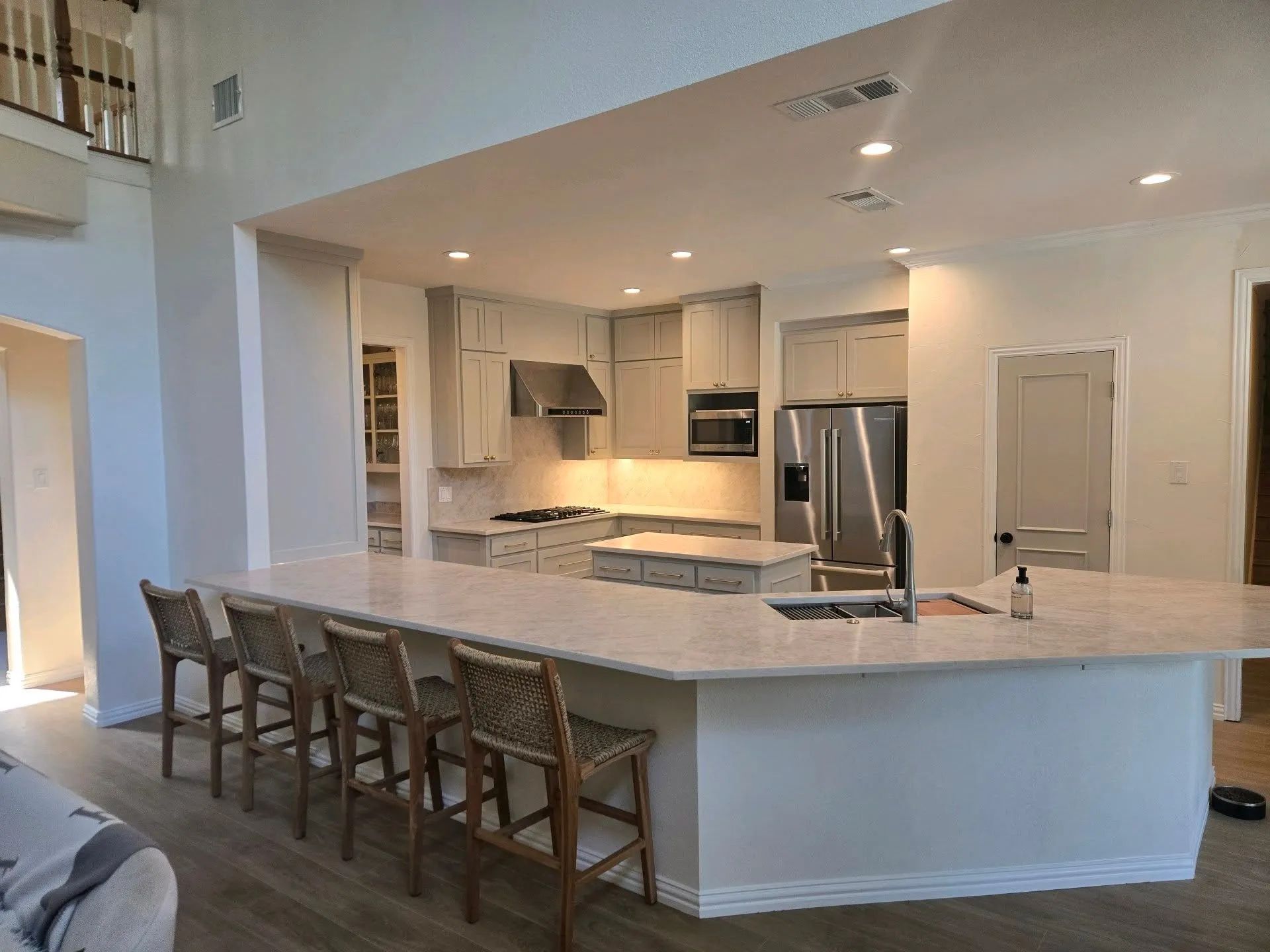
A common reason for remodeling is functional obsolescence. Older homes may have compartmentalized layouts that limit social interaction or hinder daily routines. Kitchens and living areas designed decades ago may not support modern appliances or open-concept lifestyles. Remodeling allows homeowners to reconfigure spaces to match contemporary needs, improving flow and usability.
Inadequate Storage and Workspace
Closets, pantries, and utility rooms often lack sufficient space in older homes. Insufficient storage leads to clutter and inefficiency, affecting both comfort and property value. Adding built-in cabinets, walk-in pantries, or home offices during remodeling can significantly enhance organization and daily convenience.
Lifestyle Adaptations
As families grow or lifestyles evolve, homes may need modifications to accommodate new requirements. For instance, remote work demands dedicated office spaces, while aging-in-place considerations might call for accessible bathrooms and entryways. Recognizing these functional needs early prevents frustration and creates spaces that adapt to your life, rather than forcing you to compromise.
Example:
A family with two teenagers may find a single bathroom insufficient. Remodeling can include an additional bath or reconfiguring the master suite to increase privacy and comfort.
Energy Inefficiency and Outdated Systems
Outdated Appliances
Appliances that are beyond 10-15 years old often consume excessive energy and lack modern features. Replacing them during a remodel ensures efficiency, safety, and convenience. For example, Energy Star-rated appliances use less power and water, offering long-term savings and environmental benefits.
Smart Home Integration
Modern remodeling often incorporates smart systems for lighting, security, and climate control. Integrating technology improves energy management and enhances lifestyle convenience. A smart thermostat, automated lighting, or water-sensing systems can prevent wastage, protect your home, and improve long-term efficiency.
Real-World Scenario:
A homeowner experiencing consistently high heating bills despite moderate thermostat settings may uncover insulation gaps and outdated ductwork during remodeling, addressing inefficiencies and improving comfort.
Aesthetic Aging and Style Outdated
Tired Color Palettes and Worn Materials
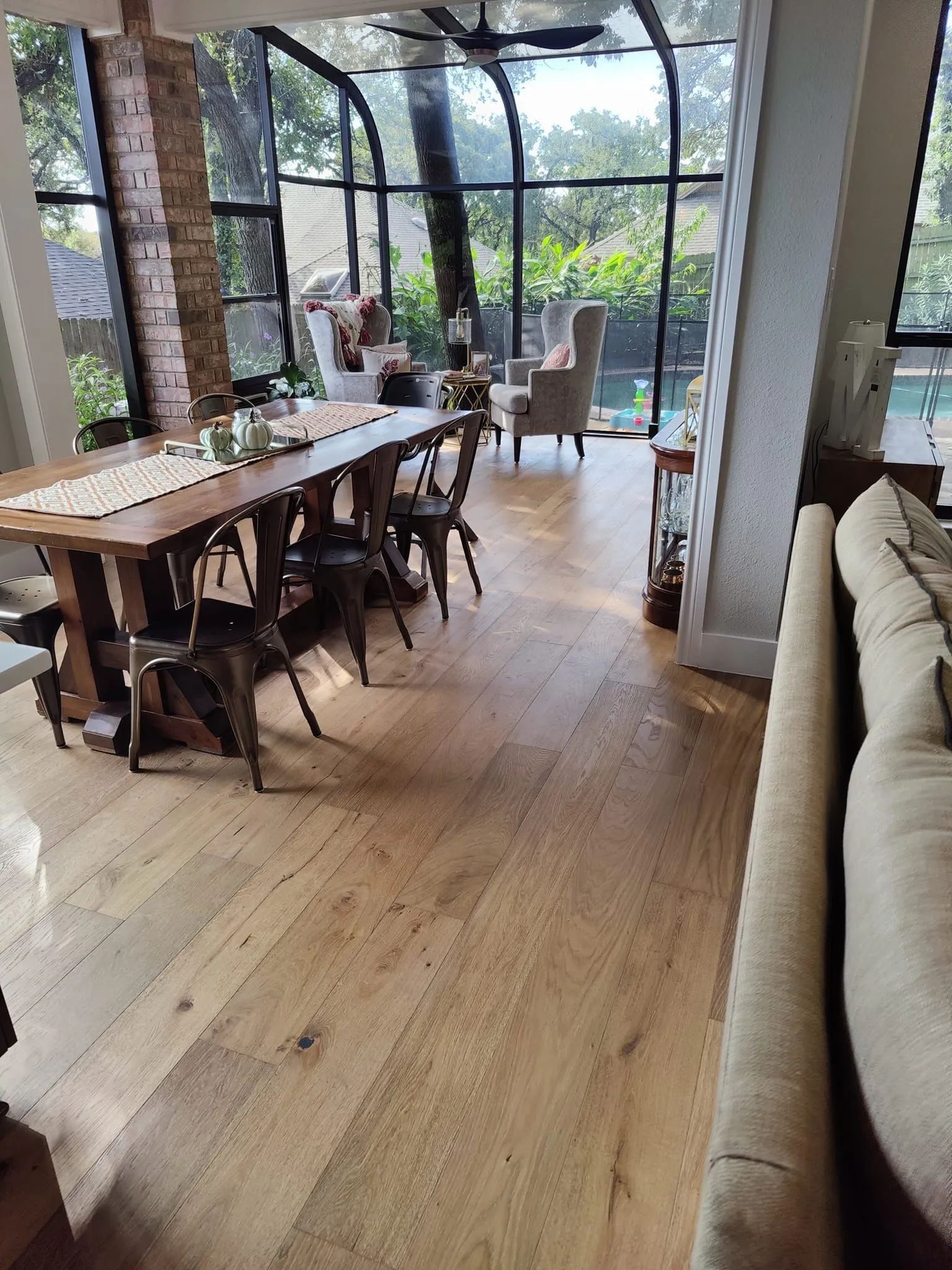
Even if a home is structurally sound, outdated aesthetics can make spaces feel dull or uninviting. Faded paint, scratched hardwood floors, or old carpeting create an impression of neglect. Remodeling allows for updated finishes, refreshed colors, and modern materials that enhance both interior appeal and marketability.
Outmoded Design Features
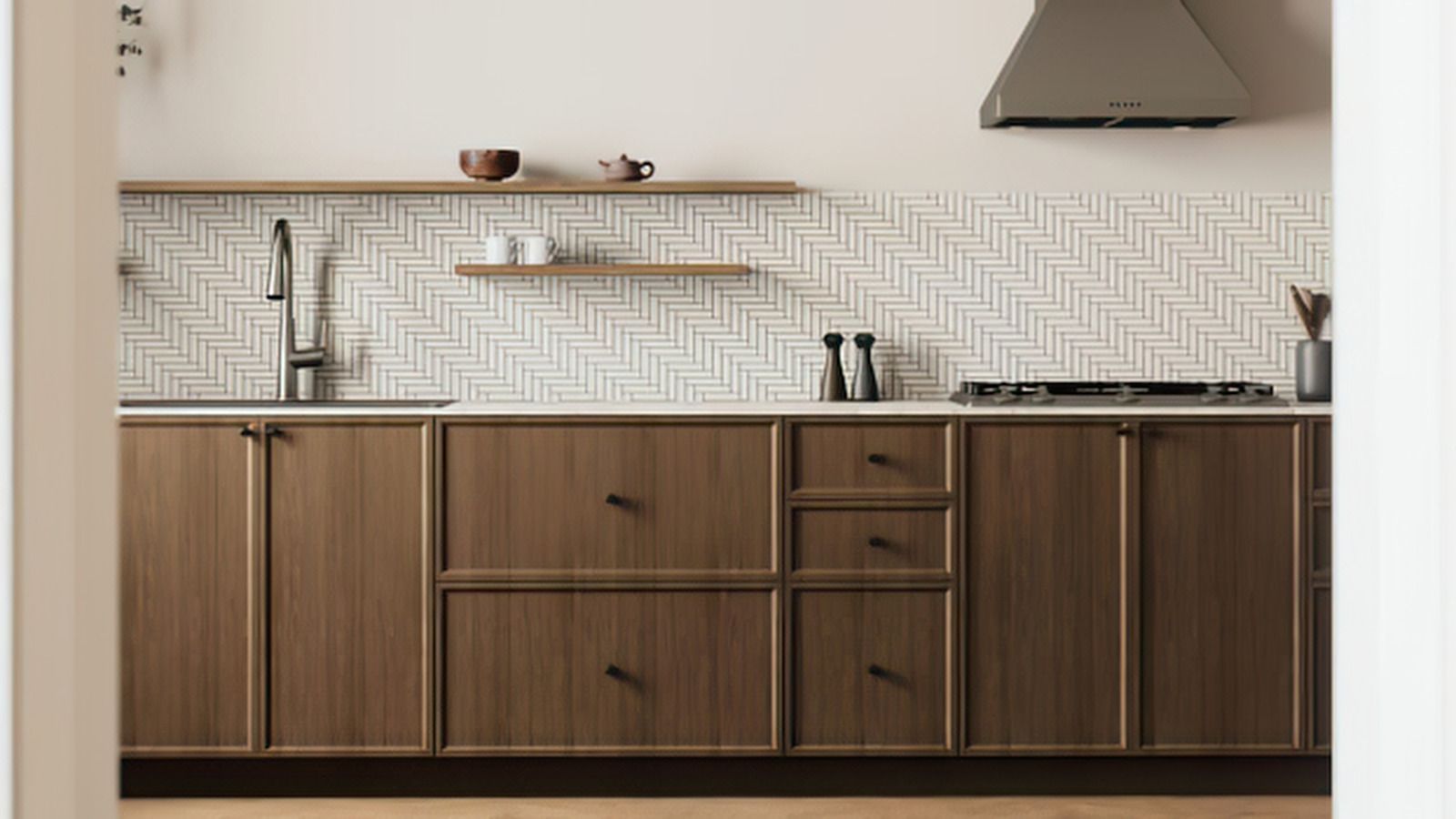
Design trends evolve rapidly. Kitchens with closed cabinetry, bathrooms with old tiles, or dated fixtures may no longer align with current preferences. While trends are subjective, incorporating neutral, timeless elements during remodeling ensures long-term satisfaction and reduces the need for constant updates.
Enhancing Comfort and Mood
Aesthetic remodeling goes beyond looks; it impacts the mood and functionality of a home. Bright, open spaces with modern lighting, ergonomic layouts, and harmonious design contribute to well-being and productivity. For example, replacing heavy drapes with natural light-enhancing solutions or updating bathrooms with spa-like features can elevate daily living experiences.
Best Practice:
Combine aesthetics with functionality by selecting durable, easy-to-maintain materials that complement modern design principles. This approach ensures your remodel remains both stylish and practical for years to come.
Safety Concerns
Hazardous Materials
Older homes may contain lead paint, asbestos, or outdated wiring that poses health risks. Remodeling provides an opportunity to remove these hazards and bring the home up to current safety standards. Certified contractors can safely handle these materials, ensuring compliance and reducing potential liability.
Slip, Trip, and Fall Hazards
Uneven floors, loose railings, or poorly lit staircases can create dangerous conditions. Remodeling can address these issues by leveling surfaces, installing handrails, and improving lighting, which is especially important for families with children or elderly residents.
Fire and Electrical Safety
Outdated electrical systems, overloaded circuits, or flammable materials increase fire risk. Remodeling allows for rewiring, upgrading outlets, and implementing modern safety measures such as smoke detectors, GFCI outlets, and fire-resistant materials.
Expert Insight: Safety-driven remodeling should always precede purely aesthetic upgrades. Addressing these risks not only protects residents but also enhances home insurance eligibility and resale value.
Increasing Home Value and Market Readiness
Boosting Resale Potential
Remodeling is a strategic investment when considering future resale. Homes with modern kitchens, updated bathrooms, and energy-efficient systems attract more buyers and command higher prices. Even minor renovations, such as refreshed flooring or new fixtures, can create a significant return on investment.
Adapting to Market Trends
Housing markets evolve, and buyers prioritize features that offer convenience, efficiency, and style. Remodeling allows homeowners to align their property with market expectations, whether that means creating open-concept living areas, integrating smart home technology, or improving outdoor living spaces.
Competitive Edge in Neighborhoods
A well-maintained, modern home stands out in a neighborhood of aging properties. This distinction can influence market perception, encouraging quicker sales and potentially higher offers. Conversely, homes showing deferred maintenance or outdated features may struggle to attract buyers or sell below market value.
Long-Term Financial Benefits
Beyond immediate resale value, remodeling can reduce ongoing maintenance costs, improve energy efficiency, and extend the lifespan of key home systems. Strategic remodeling choices often result in compounded savings over time, making it both a lifestyle and financial decision.
Case Example:
Updating a 20-year-old kitchen with new cabinetry, countertops, and energy-efficient appliances increased a home’s resale value by 15% while simultaneously reducing monthly utility costs, demonstrating the dual benefits of remodeling.
Trusted Experts Deliver Exceptional Home Remodeling Solutions
Recognizing the signs that it’s time to remodel your home ensures that homeowners maintain comfort, safety, and property value. From structural issues and functional obsolescence to energy inefficiency, aesthetic aging, and safety hazards, these clues provide actionable insight for planning a strategic renovation. Ignoring these signals can result in costly repairs, reduced livability, and diminished long-term value. Remodeling isn’t just a cosmetic decision—it’s an essential investment that supports both lifestyle improvements and financial returns.
When executed thoughtfully, remodeling transforms spaces to meet modern needs, enhances daily living, and future-proofs your home against ongoing wear and evolving lifestyles. Understanding these signs equips homeowners to prioritize upgrades, allocate resources effectively, and create environments that reflect both personal taste and practical functionality.
Champion Home Remodeling & Design
in Lewisville, Texas, brings over 50
years of remodeling expertise to every project. Our team specializes in delivering customized, high-quality solutions that address structural integrity, functionality, energy efficiency, and aesthetic appeal. By combining decades of experience with a commitment to professionalism, we help homeowners identify remodeling opportunities and execute them with precision. Trust us to enhance your home’s value, safety, and beauty while ensuring a seamless, stress-free renovation experience. With Champion Home Remodeling & Design, your vision meets proven craftsmanship, creating spaces designed to last a lifetime.